15 Sustainable Clothing Brands That Actually Care About the Planet
Fast fashion fills landfills at the rate of one garbage truck per second. That number still catches people off guard. If you're ready to spend your money somewhere it actually does something, these 15 sustainable clothing brands are worth knowing.
Greenwashing is rampant, so this list sticks to brands with verified certifications, published supply chain data, and real programs like repairs and take-back. No vague "eco-conscious collections" here.
Why This Moment in Sustainable Fashion Is Different
The global sustainable fashion market sits at roughly $12.46 billion in 2025 and is projected to hit $53.37 billion by 2032 [1]. That kind of growth does not happen from niche interest alone. It reflects a real shift in what people expect before handing over money. Certifications like the Global Organic Textile Standard (GOTS) now carry weight, and shoppers, especially those under 35, are reading the fine print.
A 2025 survey found that 73% of millennials say they are willing to pay more for sustainable fashion brands, and men aged 25 to 44 are actually the demographic most likely to commit exclusively to ethical fashion. That combination of data surprises people.
The honest caveat: not every brand on a "sustainable" list has earned that label. Some have one organic cotton tee buried in a catalog otherwise full of synthetics. Greenwashing is the industry's most persistent problem, and the gap between marketing language and actual practice can be enormous. The 15 sustainable clothing brands below passed a harder test, one that includes third-party certification, published factory data, and tangible programs for reducing waste.
1. Patagonia
Patagonia is the reference point almost every other sustainable clothing brand gets measured against. They use recycled materials across their core line, publish supplier information publicly, and donate 1% of sales to environmental causes through their own initiative.
Their Worn Wear program repairs gear rather than replacing it, which is a genuinely rare commitment at scale. If you buy a Patagonia fleece today, it is designed to still be functional in 15 years.
2. Eileen Fisher
Eileen Fisher runs one of the most serious take-back programs in the industry. Their Renew initiative collects worn garments, cleans and repairs them, and resells or recycles them. They have processed over 1.5 million pieces since the program launched.
The aesthetic is minimalist and adult, built around GOTS-certified organic cotton and Responsible Wool Standard fibers. For slow fashion wardrobe building, Eileen Fisher rarely disappoints.
3. Reformation
Reformation tracks and publishes the carbon footprint, water use, and waste generated by each product on its website. That level of transparency is genuinely unusual in sustainable clothing. They use Climate Neutral certification and source deadstock fabrics and regenerative materials throughout their collections [2].
The brand sits at a higher price point but has managed to make ethical fashion feel current rather than earnest, which is not easy. Sizes run up to 3X, and the fit tends to be accurate enough that returns are infrequent, which is its own environmental win.
4. Veja
Veja makes sneakers. They also make the supply chain of those sneakers unusually visible, sourcing organic cotton from Brazil and wild rubber from the Amazon. They do not spend on traditional advertising, redirecting that budget into better materials and fair wages. A pair of Veja sneakers costs more than a generic trainer, but the brand has consistently resisted the pressure to cut corners to compete on price. Their B Corp certification adds a verified layer to those claims.
5. Nudie Jeans
Nudie Jeans does free repairs. You can walk into any of their repair shops globally or mail in your jeans and they will fix them, as many times as needed. The denim itself is made with 100% organic cotton and reduced-water dyeing processes.
This Swedish brand has built its entire model around the idea that good jeans should not need replacing, and their lifetime repair guarantee backs that up. For sustainable denim specifically, they remain one of the strongest options available.
6. Girlfriend Collective
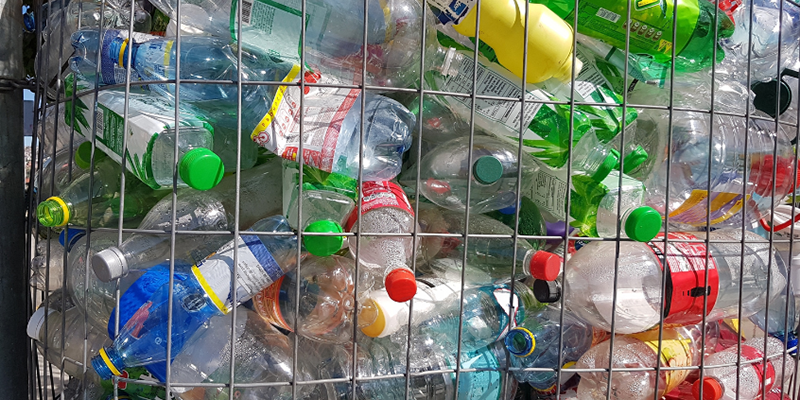
Girlfriend Collective turns recycled plastic bottles into activewear. Each pair of their flagship leggings is made from around 25 post-consumer bottles. They are also transparent about their factory, which is SA8000-certified for ethical labor.
The sizing runs from XXS to 6XL, which is uncommon in the activewear space. Customers tend to describe the fit as accurate and the fabric as holding up well after dozens of washes, though the color range has occasionally felt limited compared to conventional competitors.
7. Pact
Pact sits at the more accessible end of sustainable clothing pricing, which matters. Their eco-friendly clothing line covers organic cotton basics, from underwear to loungewear to kids' clothing, all GOTS-certified and Fair Trade certified. They have quietly built a large enough catalog to cover most wardrobe basics without requiring people to compromise on price at every turn.
The trade-off is that the aesthetic is straightforward rather than distinctive, but for foundational pieces that most people need in quantity, that is probably the right call.
8. People Tree
People Tree has been doing Fair Trade fashion since 1991, which predates the current sustainable clothing conversation by decades. They work directly with artisan groups in Bangladesh and Kenya, and their supply chain documentation is detailed and publicly available.
The aesthetic skews toward prints and natural dyes, with a slightly more bohemian sensibility than the minimalist brands on this list. Their commitment to small-scale producers in the Global South puts them in a category few competitors match.
9. tentree
tentree plants ten trees for every item sold. They have planted over 100 million trees and publish verifiable planting data through their impact tracking platform. Their materials include Tencel, recycled polyester, and organic cotton.
The brand targets a younger demographic and prices accordingly, which makes it one of the more accessible sustainable clothing options for shoppers earlier in their eco-fashion education. The tree-planting model is not without critics, but the transparency around where and how trees are planted is harder to dismiss than most carbon offsetting programs.
10. Allbirds
Allbirds built its reputation on merino wool and Eucalyptus fiber sneakers, and they carbon-label every product they sell, listing the exact CO2 equivalent on each product page. Their goal is to cut that number in half by 2025, and they publish progress updates.
The footwear has attracted both admiration and mild criticism: some longtime customers found later releases less exciting than the original Wool Runner, but the material innovation remains genuinely impressive for a brand that has existed less than a decade.

11. Kotn
Kotn sources Egyptian cotton directly from small-scale farming communities in the Nile Delta and publishes the names of the farms it works with. They have also invested in building schools in those farming communities, moving beyond supply chain compliance into something closer to development partnership. Their basics, t-shirts, towels, and bedding, are simple and well-made. The brand does not chase trends, which is entirely by design.
12. Mara Hoffman
Mara Hoffman sits in the sustainable luxury space and brings a boldness in color and print that is rare in ethical fashion, which tends toward the neutral and the quiet. They use TENCEL, organic cotton, and recycled materials throughout their collections, publish annual sustainability reports, and have committed to eliminating virgin synthetic fibers.
The price point is high, but the brand genuinely occupies a space where few ethical fashion labels exist: statement pieces that do not sacrifice values.
13. ARMEDANGELS
ARMEDANGELS is a German brand with GOTS certification across its entire range, which is more demanding than certifying only select products. They manufacture in certified factories in Portugal and Turkey and publish wage data for workers in their supply chain. Their collections run from basics to workwear to outerwear, and the sizing is broad.
For European shoppers in particular, ARMEDANGELS fills a gap between fast fashion price points and the more premium sustainable brands that can feel inaccessible.
14. Christy Dawn
Christy Dawn is known for prairie dresses made from deadstock and regeneratively-farmed cotton. Deadstock means they are using fabric that would otherwise be discarded, which sidesteps a significant amount of upstream environmental cost. They also run a Farm to Closet program, sourcing directly from a farm in India that uses regenerative agriculture. The brand has a devoted following partly because of the aesthetic and partly because the sourcing story is unusually specific and verifiable.
15. Outerknown
Outerknown was founded by professional surfer Kelly Slater, and the ocean-first ethos shows up in the materials: recycled fishing nets, reclaimed cotton, and organic fabrics dominate the catalog. They hold Fair Labor Association accreditation, publish their factory list, and run a regenerative program called ECONYL for recycled nylon products [3]. The aesthetic reads as casual and coastal, which works well for versatile everyday wear. Their commitment to supply chain transparency has been consistent since launch, not just added as an afterthought.
What to Actually Look For
The brands on this list share a few concrete qualities worth knowing before you shop. GOTS certification guarantees at least 70% organic fiber and covers the full processing chain, not just the raw material. Fair Trade certification guarantees minimum wage and safe working conditions at factory level. B Corp certification covers a company's broader social and environmental performance. Look for at least one of these before trusting a brand's sustainability claims.
Price is also real. Eco-friendly clothing costs more because ethical labor, certified materials, and transparent supply chains cost more. The counterargument, which holds up, is that a better-made garment lasts longer and reduces how often you buy. A $120 shirt worn 200 times is cheaper per wear than a $30 shirt worn 20 times before it falls apart. Slow fashion, by definition, asks you to buy less and invest more, and that math genuinely works out over time.
Making the Switch Without Overhauling Everything
Nobody builds a completely ethical wardrobe overnight, and the pressure to do so can make the whole thing feel impossible. A more practical approach is to start with what you buy most often.
If you replace fast fashion t-shirts with something from Pact or Kotn, and worn-out activewear with Girlfriend Collective, you have already moved the needle significantly without needing to rethink your entire closet at once.
Starting with basics is also smart from a budget standpoint. Sustainable clothing brands generally price their items higher because they actually pay supply chain workers fairly. The math changes when you account for longevity. A $90 eco-friendly clothing option that survives 150 washes costs less per wear than a $15 fast fashion version that pills after 15.
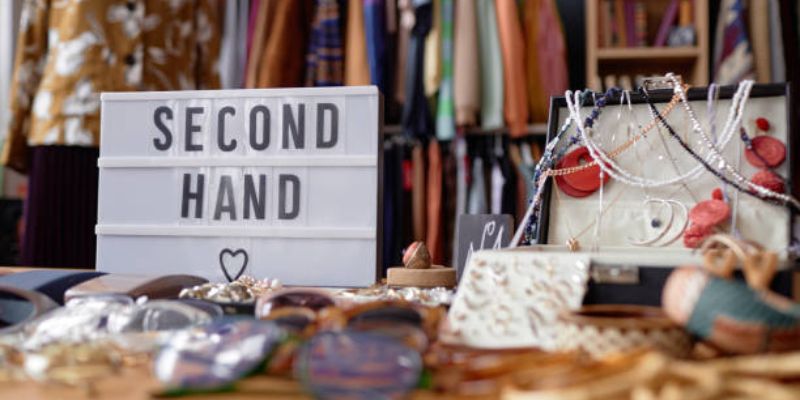
Second-hand shopping pairs well with these brands too. Platforms that carry pre-owned Patagonia, Eileen Fisher, and Nudie Jeans give you access to sustainable clothing brands at lower entry prices. Eileen Fisher Renew, Patagonia Worn Wear, and Nudie's own repair program are all built on exactly this logic. This is slow fashion thinking applied practically: keep garments in circulation longer, buy new ones less often.
References
[1] Global Sustainable Fashion Market Forecast - https://nul.global/blog/latest-trends-in-sustainable-fashion
[2] Reformation Sustainability Reporting - https://www.thereformation.com
[3] Outerknown ECONYL and Sustainability - https://www.outerknown.com
Related Posts
Effortless Style A Comprehensive Guide to Casual Outfits for Women
Mastering Men Casual Outfits Your Ultimate Guide to Stylish Everyday Looks
Best Sustainable Tote Bags: Chic, Practical, And Eco Friendly Picks
Is Resale Fashion Better Than Fast Fashion? Full Comparison
How Recycled Polyester Reduces Waste And What To Check